
Last updated: July 2026 | Category: Skincare Treatment | Affiliate Disclosure: This post contains Amazon affiliate links. I may earn a small commission at no extra cost to you.
This is my skin barrier repair story. I quit retinol on a random Tuesday night, staring at a jar I’d spent way too much money on, because my face was stinging from a moisturizer I’d used for two years without a single problem. That’s the moment I finally understood I needed real skin barrier repair — not another “powerful” product added to a routine that was already falling apart. What I found on the other side of that decision was a single ratio dermatologists rely on but almost nobody explains properly, and it’s the reason my skin finally calmed down for good.
The Night I Quit Retinol
For about four months, I was doing everything the skincare internet told me to do. Retinol at night, vitamin C in the morning, an exfoliating acid twice a week, and a “brightening” cleanser I’d picked up because it promised glass skin in thirty days. Individually, every one of those products had good reviews. Together, they were quietly destroying the thing that was supposed to protect my face.
It didn’t happen overnight. First it was a little tightness after cleansing. Then a moisturizer I’d used for two years suddenly made my cheeks sting. Then redness that wouldn’t fully go away, even on days I wore nothing but sunscreen. I kept assuming I needed a stronger product to fix it, which, looking back, is almost funny — I was trying to out-active my way out of an active-overload problem.
The turning point was a dermatology thread explaining that constant layering of retinol, acids, and vitamin C without recovery time is one of the most common causes of what’s now being called barrier breakdown, and that the fix isn’t a new serum. It’s subtraction. That single idea sent me down a research hole that ended with me understanding my skin better than four months of “advanced” actives ever did.
Signs Your Skin Barrier Is Damaged
If you’re wondering whether you’re dealing with the same thing, here’s what to check for. I had at least five of these before I made any changes:
- Stinging from products you’ve used for years — this is the biggest tell. Your skin isn’t suddenly “sensitive.” It’s lost its ability to filter out normal ingredients.
- Persistent tightness, even right after moisturizing.
- Redness that flares with weather, water temperature, or fabric rubbing against your face.
- Flaking or rough texture in patches that weren’t there before.
- Breakouts that take weeks to heal, rather than days.
- A dull, uneven look no amount of highlighter seems to fix.
If several of these sound familiar, you’re not imagining it — and you’re not alone. This is one of the most searched skincare concerns of 2026, largely because of exactly the pattern I fell into: heavy layering of actives without enough recovery built in.
The 2:1:1 Ratio, Explained Properly
Most articles mention “ceramides” and move on, which is a little like telling someone to “eat protein” without saying how much. Here’s the part that actually changed how I shop for products.
Dermatologists describe the outer layer of your skin — the stratum corneum — using a “bricks and mortar” model. The corneocytes (dead skin cells) are the bricks. The lipid matrix holding them together is the mortar. When that mortar is intact, moisture stays in and irritants stay out. When it cracks, you get exactly what I described above: stinging, tightness, redness, slow healing.
That lipid mortar isn’t random. It’s made of three ingredients in a specific ratio:
- Ceramides — roughly 50%. These are the structural glue holding your skin cells together.
- Cholesterol — roughly 25%. This stabilizes the lipid layer.
- Free fatty acids — roughly 15-20%. These support your skin’s natural acid mantle.
Simplified, that’s close to a 2:1:1 ratio. Research published in the Journal of Investigative Dermatology found that creams with only one of these three components — just ceramides, for example — can actually slow down barrier repair compared to a balanced tri-lipid formula. This is why some “ceramide creams” work beautifully and others do almost nothing: the ratio matters more than the buzzword on the label.
Once I understood this, shopping got a lot easier. I stopped picking products because “ceramide” was in the name and started checking whether a formula actually paired ceramides with cholesterol and fatty acids — which narrowed my list down fast.
What Actually Worked
Here’s exactly what I changed, in order.
1. I Cut My Routine Down to Three Steps
Cleanser, a barrier-repairing moisturizer, and SPF. That’s it. No retinol, no acids, no vitamin C, no “brightening” anything. It felt like doing less than I “should,” which is exactly the point — a damaged barrier needs recovery time, not more input.
2. I Switched to Lukewarm Water and a Gentle Cleanser
Hot water and foaming cleansers were quietly stripping whatever lipid barrier I had left. I switched to a lukewarm rinse and patted my skin dry instead of rubbing, using one of the gentle, fragrance-free formulas from my sensitive skin cleanser roundup.
3. I Prioritized Ceramide-Cholesterol-Fatty Acid Formulas
Instead of grabbing anything labeled “repair,” I started reading ingredient lists for that 2:1:1 balance. This is where the actual product list below came from.
4. I Didn’t Touch Retinol for Six Weeks
This was the hardest part, honestly. But recovery time is non-negotiable — reintroducing actives before the barrier heals just restarts the cycle.
5. SPF Became Non-Negotiable, Even Indoors on Bad Skin Days
UV exposure compounds barrier damage. I stopped skipping sunscreen on days my skin looked “fine.”
Within about ten days, the stinging stopped. By week three, the redness had mostly settled. By week six, my skin could tolerate normal skincare again without protest — and that’s when I started slowly reintroducing retinol, at a much lower frequency than before.
The Products I Rebuilt My Routine Around
These are the five products that actually did the work, in the order I used them. I picked these because each one either hits that 2:1:1 lipid ratio directly, or fills a specific gap (hydration, richness, overnight repair) that the ratio alone doesn’t cover. A few of these also show up in my full sensitive skin moisturizer breakdown, if you want more options at every price point.
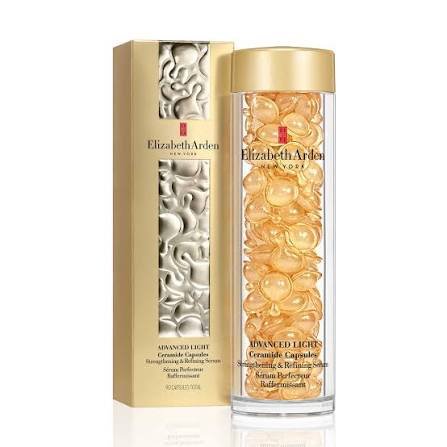
Elizabeth Arden Ceramide Capsules
This was the first product I added back in, around week two. Single-use capsules meant I wasn’t second-guessing how much product to use on skin that was still touchy about everything. The ceramide concentration is genuinely high, and I noticed less morning tightness within about a week of adding it into my nighttime step.
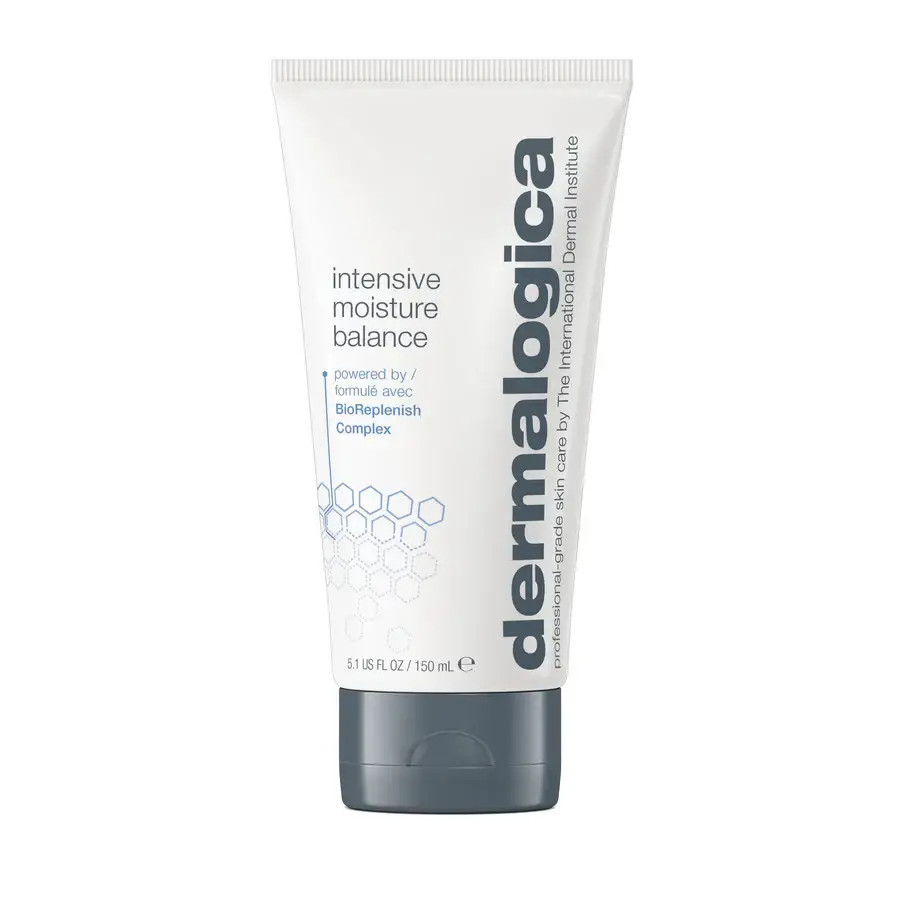
Dermalogica Intensive Moisture Balance
On the driest, tightest days, this is what I reached for. It’s richer than I’d normally use, but that’s exactly what a compromised barrier needs — a genuinely occlusive layer that locks moisture in while the lipid matrix rebuilds underneath. I noticed the difference most in humidity swings, where lighter creams weren’t cutting it.
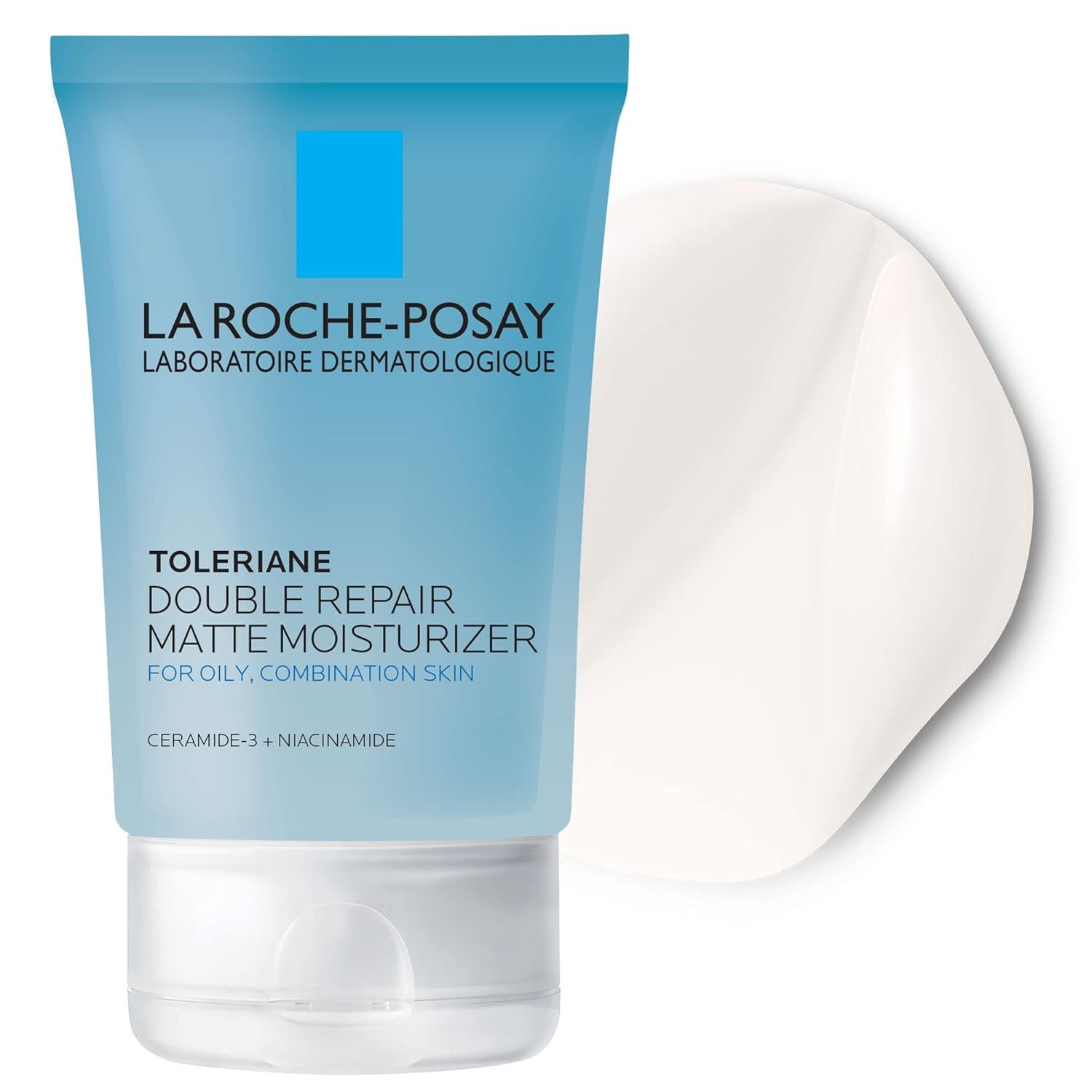
La Roche-Posay Toleriane Double Repair Face Moisturizer
This became my everyday moisturizer, morning and night, for the entire six-week reset. It pairs ceramide with niacinamide, which calmed the redness faster than anything else I tried, and it’s genuinely fragrance-free — no stinging, ever, even on my worst days. It’s currently one of the best-selling barrier creams on Amazon for a reason.
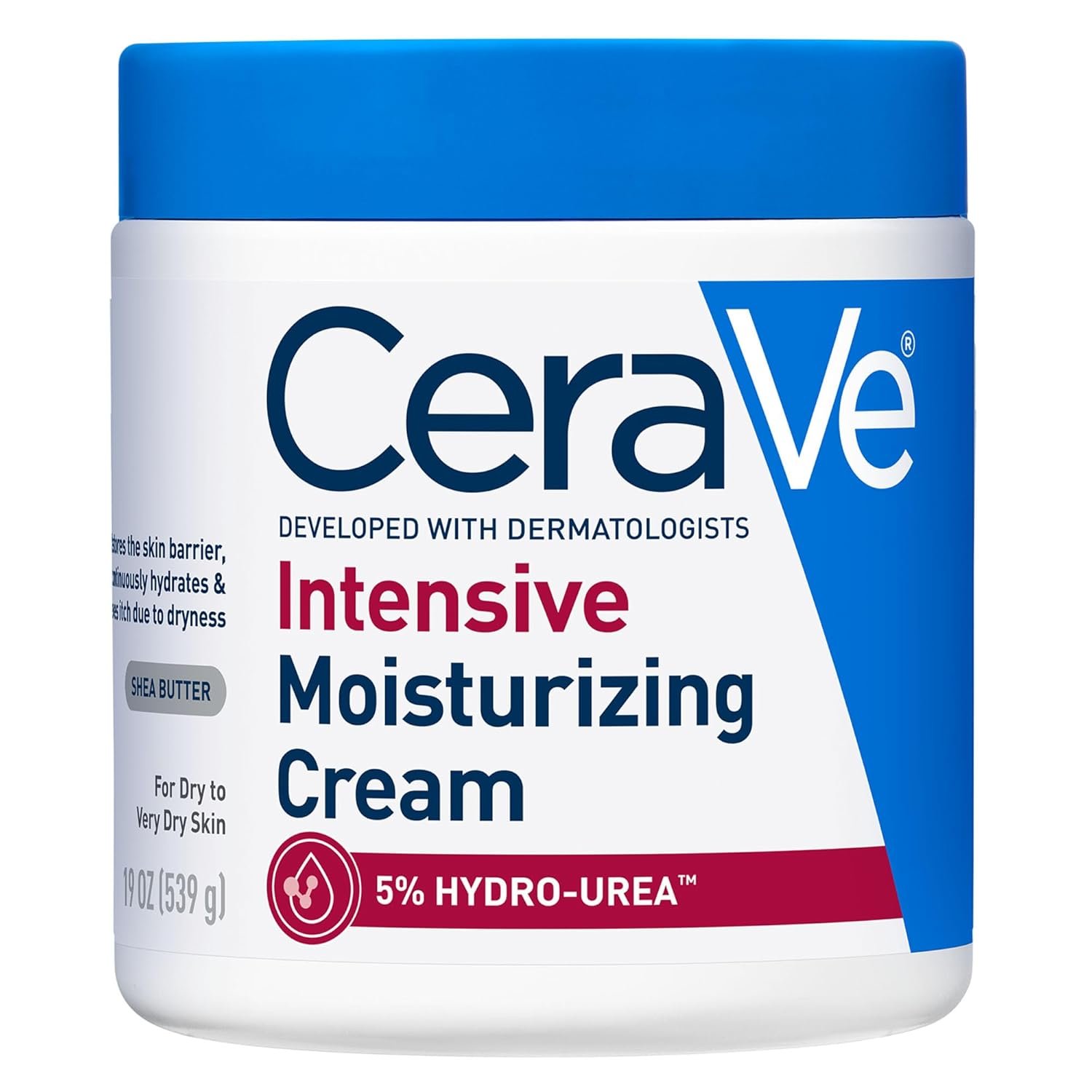
CeraVe Moisturizing Cream
I kept a tub of this in the shower and used it on my body, not just my face, while my whole skin was in recovery mode. Three ceramides, hyaluronic acid, and a price point that means you can actually use it generously instead of rationing it. It’s the product I recommend to anyone starting from zero.
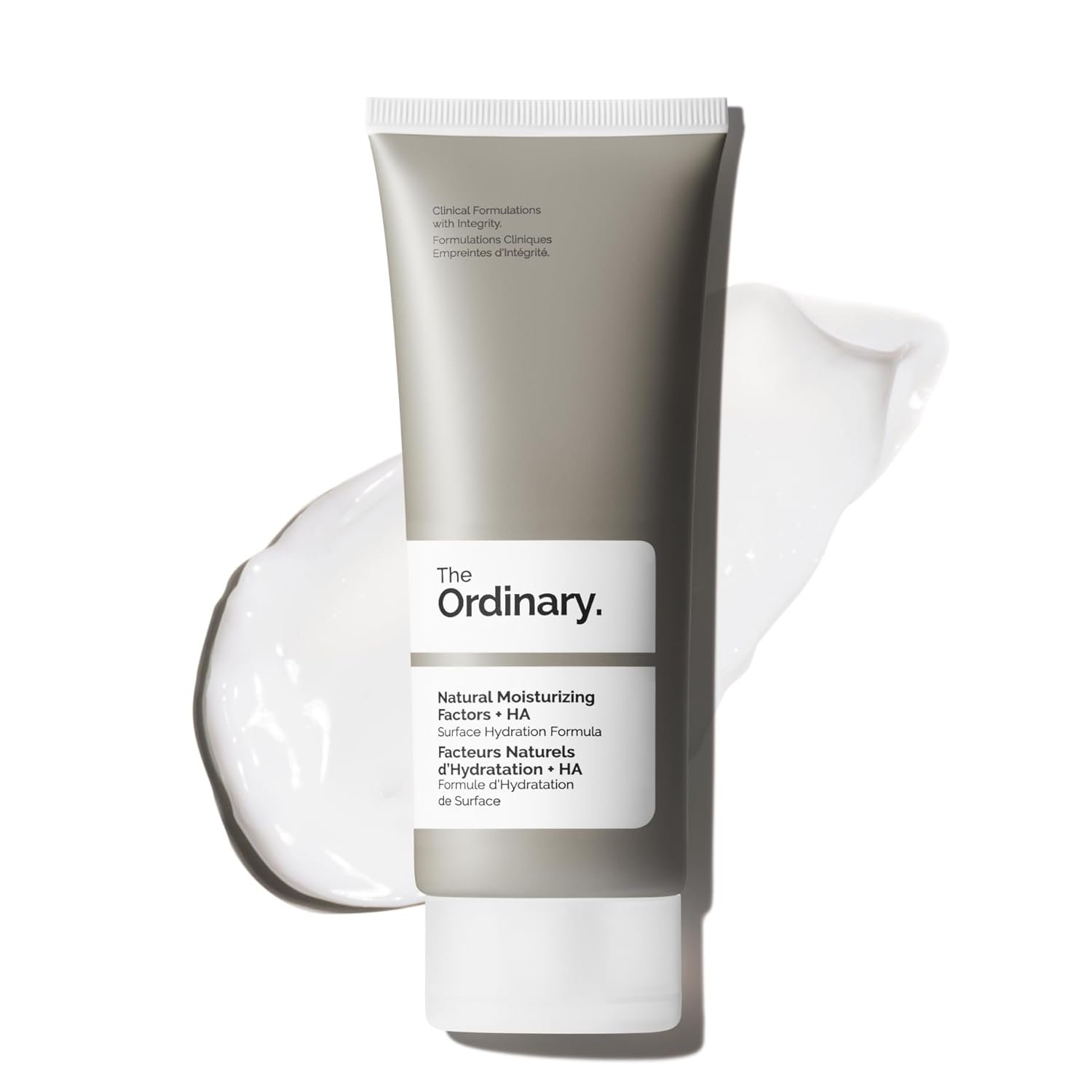
The Ordinary Natural Moisturizing Factors + HA
This became my humid-weather option once my skin had mostly recovered. It’s lighter than the others on this list but still built around the same barrier-supporting lipid logic, so it didn’t undo the progress I’d made — it just gave me a summer-friendly version of the same routine.
Advertisement
My Week-by-Week Repair Plan
Weeks 1-2: Strip down to cleanser, moisturizer, SPF only. No actives. Lukewarm water only.
Weeks 3-4: Redness and stinging should be easing. Keep the same routine — resist the urge to add anything back yet.
Weeks 5-6: If your skin tolerates normal products again, reintroduce one active at a time, starting with the gentlest, and wait a full week before adding another.
Ongoing: Keep a barrier-repair moisturizer in rotation even after recovery — think of it as maintenance, not just emergency care.
Mistakes That Made It Worse
Quick Answers to the Questions I Kept Googling
How long does it take to repair a damaged skin barrier?
For me, mild improvement started around day 10, and my skin felt mostly back to normal by week six. Dermatologists generally say mild cases can improve within a few days to a week, while more significant damage — the kind caused by months of active-stacking, like mine — can take four to eight weeks of consistent, gentle care. The biggest factor isn’t the products you use; it’s whether you actually stop doing the thing that caused the damage in the first place.
Can I still wear makeup while repairing my skin barrier?
I kept makeup to a minimum during the first two weeks, since anything with alcohol or fragrance tended to sting. Mineral-based, powder formulas were the most tolerable option when I needed coverage, and I skipped foundation entirely on my worst days.
Do I really need to give up retinol completely?
Not forever — just long enough for the barrier to rebuild. Six weeks worked for me, but the real signal is your skin’s tolerance, not the calendar. Once normal products stopped stinging, I knew I could start reintroducing actives slowly, one at a time.
What’s the difference between “sensitive skin” and a damaged skin barrier?
This tripped me up for a while. Naturally sensitive skin tends to react consistently to the same triggers over time. A damaged barrier is different — it’s skin that used to tolerate a product just fine and suddenly doesn’t. If your reactions are new rather than lifelong, barrier damage is the more likely explanation.
My Honest Verdict
Quitting retinol for six weeks felt like giving up progress. It wasn’t — it was the actual progress. Once I understood the 2:1:1 ratio and stopped chasing ingredient buzzwords, picking products got so much easier, and my skin genuinely calmed down for the first time in months. If you’re seeing the same signs I was — stinging, tightness, redness that won’t quit — the fix probably isn’t a new serum. It’s less, done right, for long enough to let your skin actually heal.
If you’re curious how to bring retinol back into your routine the right way once your barrier has recovered, I’m covering that in detail in my upcoming post on retinol, peptides, and vitamin C — worth bookmarking for when you’re ready to reintroduce actives. And if you want the fuller picture of how skin structure, aging, and ingredients all connect, my Skin Health Blueprint covers the science end to end.
Keep Reading
Shop this routine: Elizabeth Arden Ceramide Capsules · Dermalogica Intensive Moisture Balance · La Roche-Posay Toleriane Double Repair · CeraVe Moisturizing Cream · The Ordinary NMF + HA
Tags: skin barrier repair, damaged skin barrier, ceramide moisturizer, 2:1:1 lipid ratio, retinol skin barrier, barrier repair routine 2026, best ceramide cream, skin barrier repair products, how to repair skin barrier fast, stratum corneum repair