
Affiliate Disclosure: This post may contain affiliate links. I may earn a small commission at no extra cost to you.
You’ve spent hundreds — maybe thousands — of dollars on serums, moisturizers, and treatments that promised everything and delivered almost nothing. Your skin still looks tired. The fine lines are still there. That uneven tone you’ve been fighting for years refuses to budge. Sound familiar?
Here’s the frustrating truth most skincare brands won’t say out loud: the majority of products sitting on your bathroom shelf right now work at the surface only. They moisturize, they temporarily plump, they smell amazing — but they aren’t actually communicating with your skin cells at a biological level to trigger real repair. That’s exactly what makes exosomes and red light therapy different. These aren’t just another serum or gadget — they’re two of the most scientifically advanced skincare technologies available for home use in 2026, and real people with real skin problems are getting real results from both.
Quick answer: both are scientifically backed, but they work differently. Red light therapy rebuilds collagen from the inside using light energy — the better long-term investment. Exosomes send cellular repair signals directly into your skin — the faster fix when your skin is damaged or in crisis. Used together, they’re the most powerful at-home skincare combination available right now.
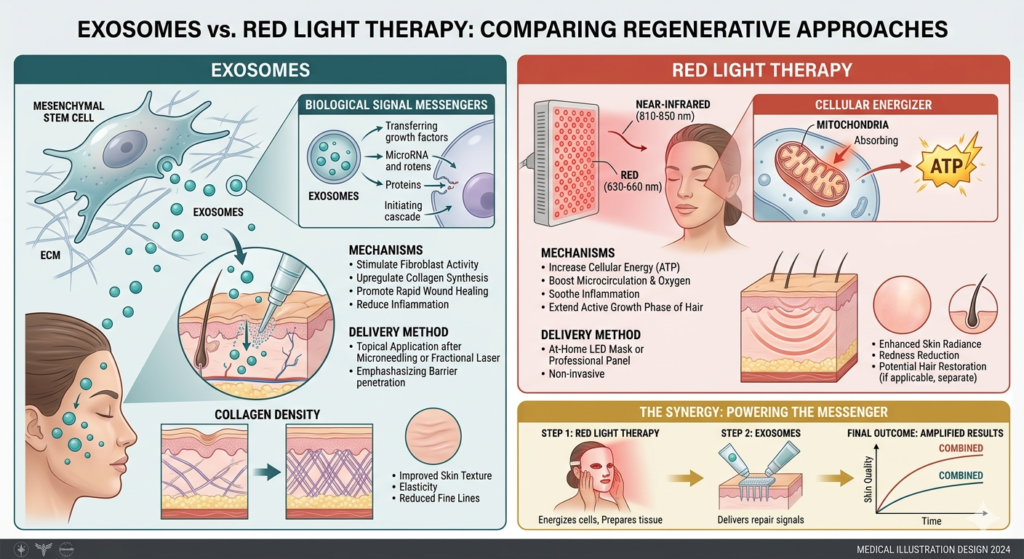
What Are Exosomes, and How Do They Actually Fix Your Skin?
Think of your skin cells as tiny factories. Every day they produce collagen, repair damage, and fight inflammation. But as you age — or when your skin is stressed, sun damaged, or inflamed — those factories slow down. They stop communicating properly with each other. Repair slows. Aging speeds up.
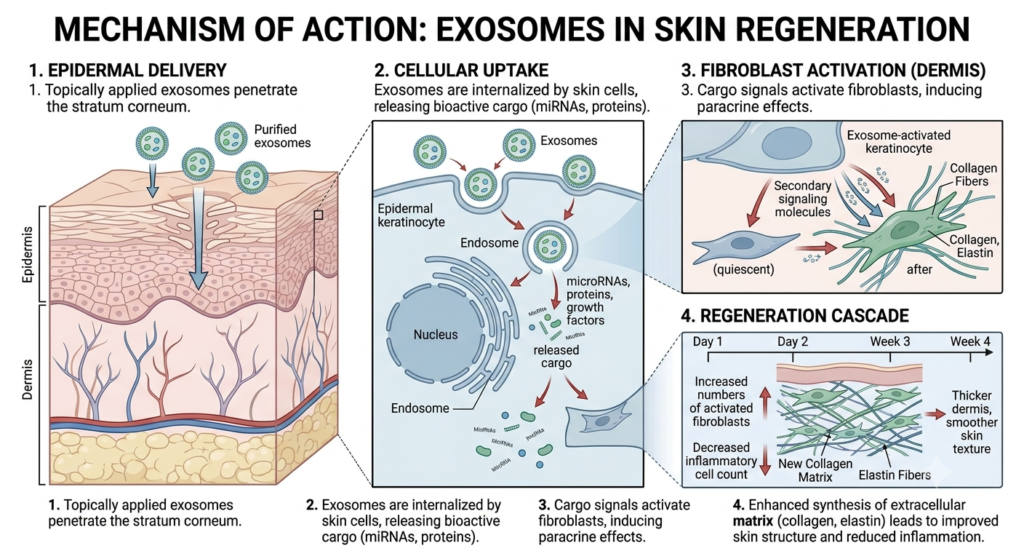
This is exactly where exosomes come in. They’re microscopic messenger particles — smaller than any ingredient you’ve ever put on your face — that carry biological instructions directly into your skin cells, essentially telling damaged or aging cells to wake up and start behaving like younger, healthier cells again. The results people report aren’t subtle: faster healing after procedures like peels and laser treatments, real reduction in fine lines, visibly calmer skin within days, and accelerated fading of hyperpigmentation and acne scarring.
What makes exosomes genuinely different is their size — they’re microscopic enough to bypass the skin barrier entirely, something 99% of skincare ingredients simply cannot do, delivering repair signals at a cellular level that no traditional serum can match.
What Is Red Light Therapy, and Why Is Everyone Suddenly Talking About It?
Red light therapy has actually been around since NASA first discovered it in the 1990s, originally used to help astronauts heal wounds and maintain muscle tissue in zero gravity. Today it’s one of the fastest-growing skincare categories in the world, for good reason.
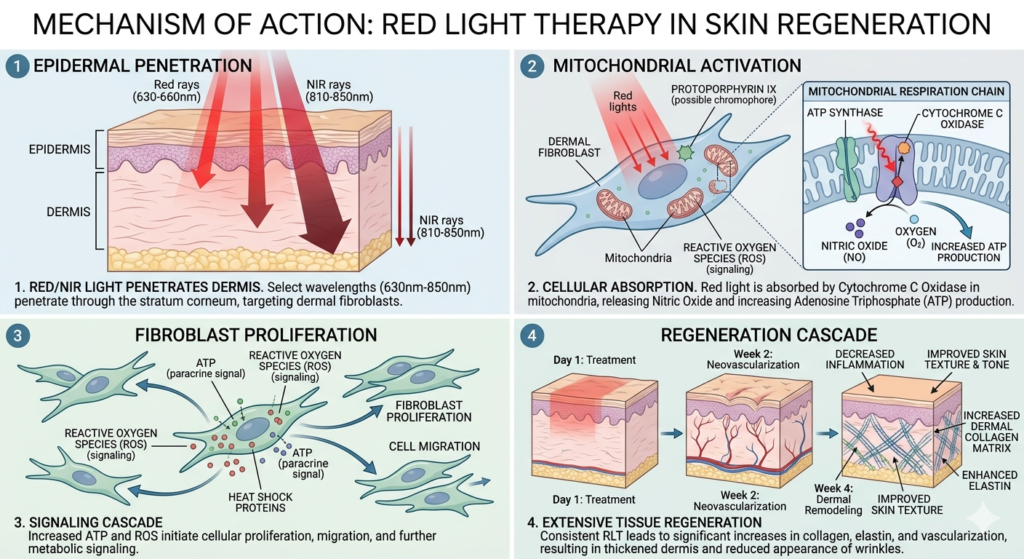
Your skin cells contain tiny energy-producing powerhouses called mitochondria. Red and near-infrared light wavelengths — specifically around 633nm and 830nm — penetrate deep into skin and directly energize those mitochondria. Charged-up mitochondria produce more ATP, essentially cellular fuel, and your skin starts working harder to produce new collagen and elastin, reduce chronic inflammation, increase circulation, and repair sun damage.
The key word here is consistency. Red light therapy isn’t an overnight fix — it’s a long-term investment that compounds over weeks and months, like going to the gym. People who stick with it consistently report some of the most dramatic at-home skin transformations available without injections or clinic procedures.
The Real Difference Between Exosomes and Red Light Therapy
This is the part most comparison articles get wrong. These two technologies aren’t competing — they’re not even doing the same job.
Red light therapy is the builder. It energizes your cells, stimulates collagen production, and creates the optimal internal environment for skin to repair itself over time — a long-term structural investment.
Exosomes are the emergency repair crew. They deliver immediate biological instructions to damaged or struggling cells and produce faster visible changes — especially when your barrier is compromised, inflamed, or recovering from a procedure.
One charges your cells. The other tells them what to build. That’s exactly why, used together, they create results that neither can achieve alone.
Top Exosome Serums Worth Your Money in 2026
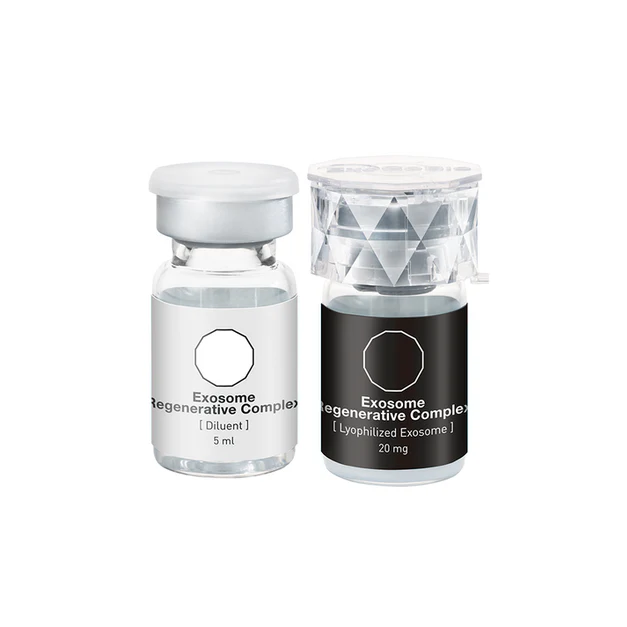
Benev Exosome Regenerative Complex+
Why it earns this spot: the gold standard in clinical exosome skincare. Originally developed for use after professional laser and microneedling treatments, it delivers billions of lyophilized exosomes derived from human mesenchymal stem cells per application — the most effective type for skin repair, and legitimate, peer-reviewed science behind it.
Best for: anti-aging, post-procedure recovery, and hyperpigmentation. Most users notice calmer, brighter skin within two weeks, with healing times after procedures cut nearly in half.
Not for you if: you’re looking for a budget option — this sits at the premium end of the category.
View Benev Exosome Complex+ →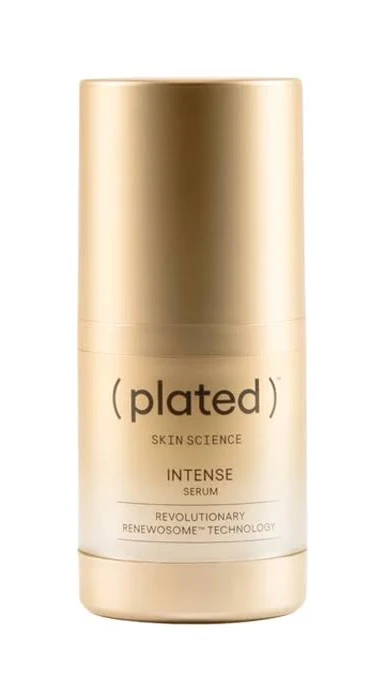
Plated Intense Serum
Why it earns this spot: uses patented Renewosome™ technology derived from human platelets, clinically shown to reduce redness and strengthen the skin barrier — one of the few exosome serums gentle enough for daily use on reactive, rosacea-prone skin while still delivering measurable collagen-boosting results.
Best for: sensitive skin types who’ve struggled to find anything that calms inflammation without causing more irritation. Results typically appear within 3–4 weeks of daily use.
Not for you if: you want the fastest possible results — Benev tends to move quicker for aggressive anti-aging goals.
View Plated Intense Serum →Top Red Light Therapy Masks Worth Your Money in 2026
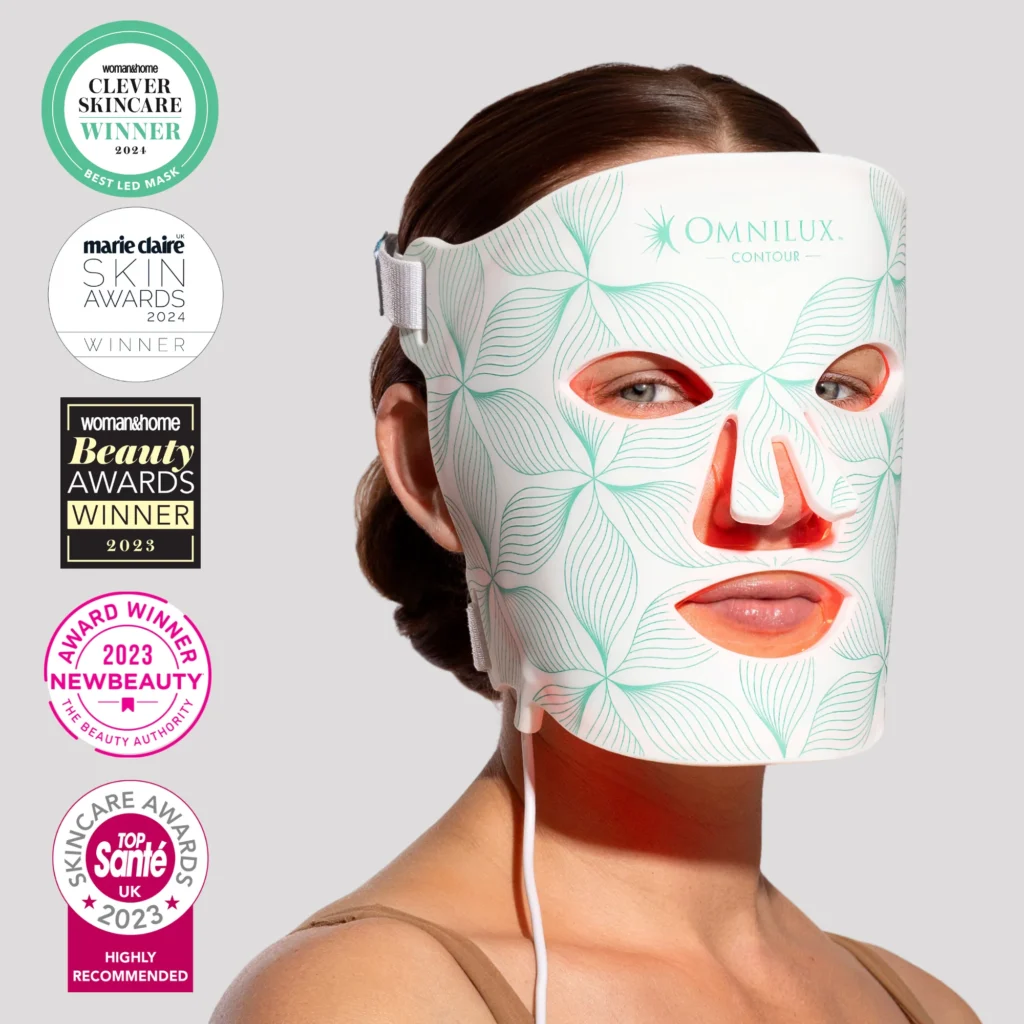
Omnilux Contour Face
Why it earns this spot: the undisputed leader in FDA-cleared home LED therapy. Unlike rigid plastic masks that leave gaps on your face, the flexible medical-grade silicone molds to every curve, delivering precise, uniform doses of both 633nm red light and 830nm near-infrared light with clinical studies behind the results, not just marketing claims.
Best for: anyone committed to long-term collagen maintenance. Users consistently report firmer skin, reduced fine lines, and a more even complexion after 4–6 weeks of consistent use.
Not for you if: you want built-in cooling for morning puffiness — the Shark CryoGlow below covers that specifically.
View Omnilux Contour Face →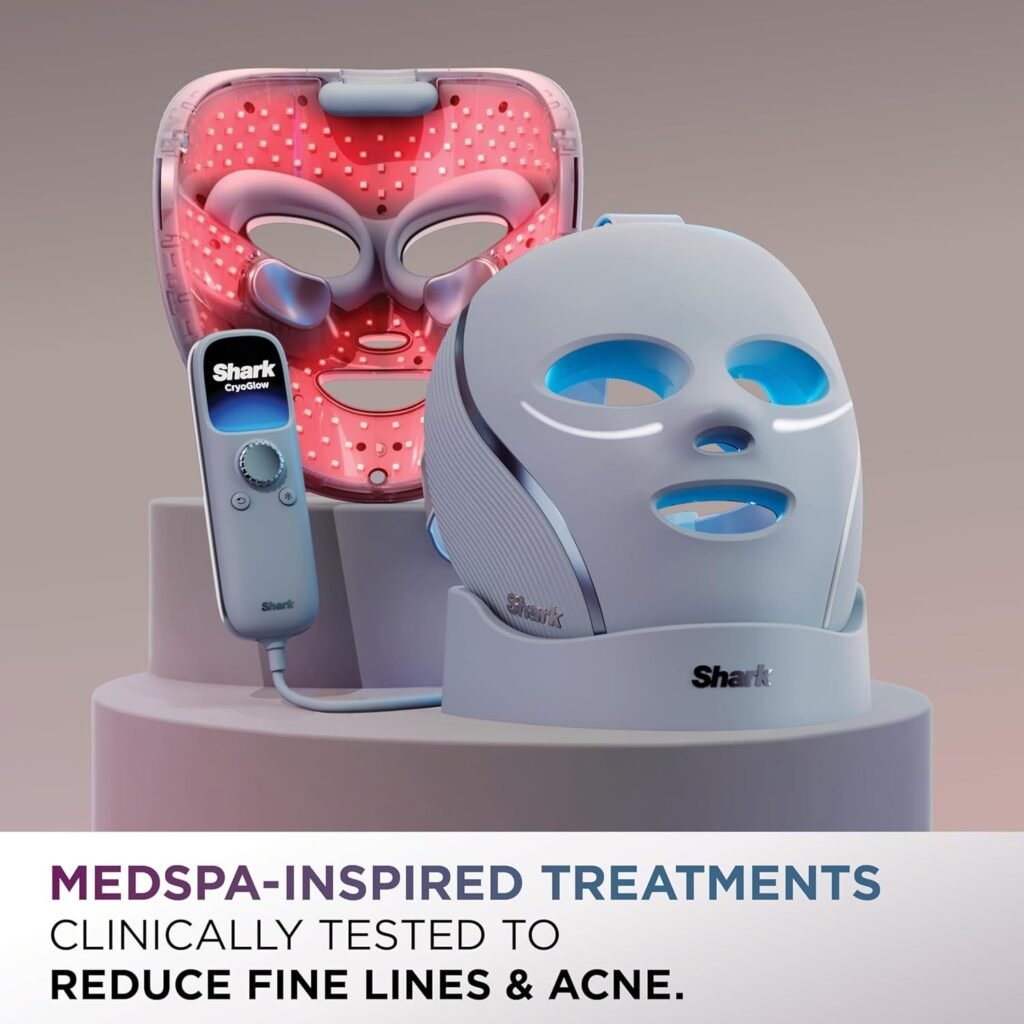
Shark CryoGlow LED Face Mask
Why it earns this spot: combines multi-wavelength LED therapy with InstaChill Cold Technology — built-in cooling pads that instantly reduce morning puffiness and under-eye inflammation while the light works on deeper collagen repair. I added this one to my own routine a few weeks back, mostly for the under-eye puffiness, and it’s genuinely become the fastest part of my morning — strap it on, drink coffee, done.
Best for: busy people who want instant visible results every morning combined with long-term skin improvement.
Not for you if: collagen maintenance alone is your only goal — the Omnilux is the more focused, clinically studied option for that.
Check Price on Amazon →Exosomes vs Red Light Therapy — Full Comparison
| Feature | Exosome Serums | Red Light Therapy |
|---|---|---|
| How it works | Cellular messenger signals | Light energizes mitochondria |
| Speed of results | Fast — days to weeks | Gradual — weeks to months |
| Best for | Repair, recovery, pigmentation | Collagen, firming, anti-aging |
| Frequency | Daily — morning and night | 3–5 times per week |
| Average cost | $95–$300 per serum | $230–$395 per device |
| Long-term cost | Recurring monthly purchase | One-time investment |
| FDA status | Cosmetic serum | FDA-cleared devices available |
| Verdict | Best for immediate repair | Best for long-term investment |
The Ultimate Routine: How to Use Both Together
If your budget allows for both a premium LED mask and an exosome serum, you’re about to unlock the most powerful at-home skincare combination available right now. When red light therapy energizes your mitochondria and increases microcirculation, your skin cells enter a heightened state of activity — wide open and hungry for repair signals. Think of it like preparing soil before planting seeds: red light therapy prepares the soil, and exosomes are the seeds that grow into visible transformation.
- Cleanse and dry perfectly. Wash with a gentle, non-stripping cleanser and pat completely dry. Don’t apply toners or serums yet — any product on skin at this stage reflects light energy away from your cells and reduces LED effectiveness.
- Run your LED mask cycle (10 minutes). Strap your FDA-cleared mask over completely bare, dry skin and let the light energize your cells and increase circulation. Use the full session every time.
- Apply exosomes immediately after (within 2 minutes). While skin is still in its energized, high-circulation state, press 2–3 drops of exosome serum gently into face and neck. Don’t rub — press and hold, letting the messenger particles absorb into highly receptive cells.
- Lock in with moisture (5 minutes later). Let the serum fully absorb, then apply your standard moisturizer to seal the barrier. Your skin continues doing real repair work for hours afterward.
Expert Buying Guide — Avoid These Expensive Mistakes
Mistake 1 — Buying Plant-Based Exosomes Thinking They Work Like Human Ones
Many budget brands market products containing centella asiatica or apple stem cell “exosomes” at attractive prices. While these plant-derived vesicles offer some surface hydration, they don’t have the same cellular lock-and-key signaling pathways as human platelet-derived or mesenchymal stem cell exosomes, and can’t send the same repair instructions to human skin cells. Always look for “human-derived mesenchymal stem cell exosomes” or “platelet-derived exosomes” on the label.
Mistake 2 — Buying Cheap, Unbranded LED Masks
Walk away from any LED mask under $80 that doesn’t explicitly list its irradiance level and exact wavelengths. Most credible sources put the effective range for at-home masks between 20mW/cm² and 50mW/cm². A mask well below that is essentially a glorified red light that does very little therapeutically — FDA-cleared status is the fastest way to confirm a mask meets minimum clinical standards.
Mistake 3 — Being Inconsistent
Neither technology delivers results from a single session. Red light therapy needs a minimum of 4–6 weeks of consistent use before real collagen remodeling becomes visible. Exosome serums need daily morning and night application for at least 3–4 weeks. Consistency isn’t optional — it’s the entire strategy.
Mistake 4 — Applying Exosomes Over Other Products
Exosome serums need completely clean, bare skin to penetrate effectively. Applying them over toner, essence, or other serums dramatically reduces absorption and wastes an expensive product. Always use them as your very first active step after cleansing.
Frequently Asked Questions
Can I use exosomes and red light therapy every single day?
Yes. Red light therapy is safe for daily use, though 3–5 sessions per week is sufficient for most people. Quality at-home exosome serums are formulated specifically for daily morning and night use — consistency with both is where the real transformation happens.
How long before I see real results from either technology?
With exosome serums, most people notice calmer, brighter skin within 7–14 days, with deeper results like reduced hyperpigmentation appearing around the 3–4 week mark. Red light therapy builds more gradually — expect meaningful firming and collagen improvement between weeks 4 and 8 of consistent use.
Do exosome serums need to be refrigerated?
Premium consumer-grade serums like Benev and Plated use stabilization technology that keeps them stable at room temperature. Store away from direct sunlight and heat, and always check specific brand instructions, since some clinical-grade formulations do recommend refrigeration after opening.
Will these technologies help with acne scars?
Yes, but differently. Red light therapy gradually plumps pitted, atrophic acne scars over several months. Exosomes target inflammatory hyperpigmentation — the dark red and brown marks left after breakouts — and can fade post-acne discoloration within 4–6 weeks. Combined, they tackle both texture and discoloration at once.
Is red light therapy safe for all skin tones?
Yes. Red and near-infrared light therapy is clinically safe and effective across all Fitzpatrick skin types. Unlike laser treatments, which carry a risk of post-inflammatory hyperpigmentation on deeper skin tones, LED therapy is universally well tolerated with no downtime.
Are there any side effects?
Both technologies have excellent safety profiles for at-home use. Some first-time exosome users report mild, temporary tingling during early applications, and red light therapy occasionally causes mild warmth in very sensitive individuals — neither causes peeling, irritation, or downtime when used as directed.
Final Verdict — Where Should You Spend Your Money First?
🔴 Choose Red Light Therapy First If…
You’re playing the long game. A quality FDA-cleared LED mask is a one-time investment that serves your skin for years with no recurring cost. If your primary concerns are collagen loss, fine lines, or general anti-aging, start with the Omnilux Contour Face — or the Shark CryoGlow if morning puffiness is also on your list.
✨ Choose Exosome Serums First If…
Your skin is currently in crisis mode — active rosacea, extreme sensitivity, raw patches from acid overuse, post-procedure recovery, or severe hyperpigmentation all respond faster to exosomes than to light therapy alone. Start with Plated Intense Serum for sensitive, reactive skin, or Benev Exosome Regenerative Complex+ for serious anti-aging concerns.
🏆 Choose both if you’re serious about getting the best possible results your skin can achieve at home without clinic visits or injections. The combination of these two technologies, used together in the routine outlined above, represents the most advanced at-home skincare protocol available in 2026 — nothing else comes close.
What to Read Next
The Foundation
Layering Actives
Disclosure: This post contains affiliate links. If you purchase through them, I may earn a small commission at no extra cost to you. I only recommend products I’ve genuinely researched and would use myself.