
Affiliate Disclosure: This post contains Amazon affiliate links. I may earn a small commission at no extra cost to you.
I’ve had the Sunday Riley C.E.O. Glow Vitamin C & Turmeric Face Oil in rotation for about a month now, using it most nights after cleansing. The scent is the first thing you notice — earthy from the turmeric, not floral, so if you’re expecting something sweet it might catch you off guard at first. But the payoff showed up faster than I expected: by the end of week one, the dull, slightly sallow look I get on my cheeks in winter had genuinely brightened up, and a couple of old acne marks on my jawline faded noticeably by week three.
What Is Sunday Riley C.E.O. Glow?
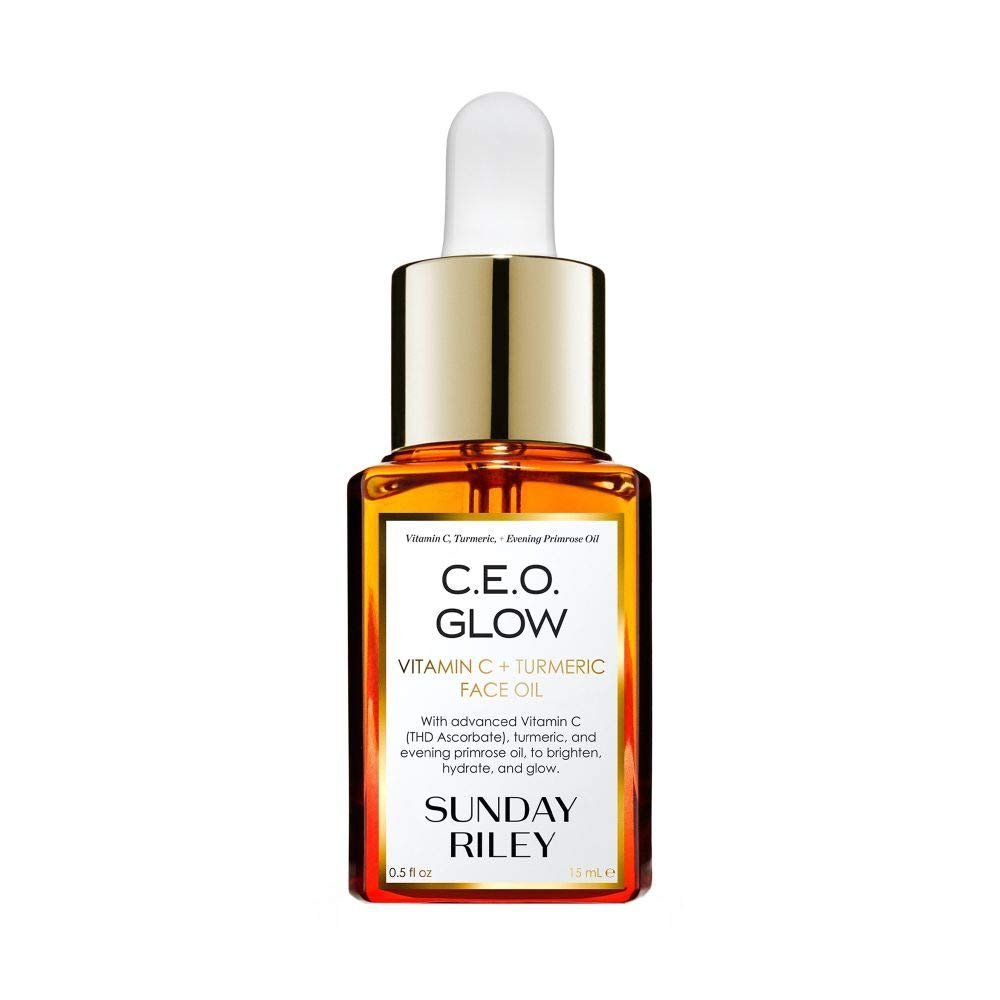
If you’ve been searching for a face oil that actually delivers on its glow promises, this might be your new holy grail. It combines advanced Vitamin C (THD Ascorbate), golden turmeric, and a blend of cold-pressed botanical oils to brighten, hydrate, and protect skin in just a few drops. In this honest review, we break down exactly what it does, who it’s best for, and whether it’s worth the investment in 2026.
It layers well under moisturizer and didn’t break me out, though I only use two drops — any more and it sits a bit too long before absorbing.
4Zonez Rating: 4.5 / 5 — excellent brightening face oil for dull, uneven skin.
Key Ingredients — What Makes It Work
🍋 Vitamin C (THD Ascorbate)
Unlike regular Vitamin C (L-Ascorbic Acid) that sits on the skin surface, THD Ascorbate is oil-soluble and penetrates deeper into the dermis. It brightens dark spots, fights signs of aging, and gives skin an instant glow — it’s even considered a quasi-drug in Japan for its skin-brightening benefits.
🌿 Golden Turmeric
A powerful anti-inflammatory ingredient that calms redness, evens out skin tone, and provides antioxidant protection from environmental damage — great for sensitive or reactive skin types.
🫐 Red Raspberry & Evening Primrose Oil
These cold-pressed oils hydrate deeply, alleviate dry skin, and boost natural radiance. Evening primrose also supports the skin’s moisture barrier, one of the biggest skincare trends in 2026.
🌱 Ginger Root Extract & Bisabolol
Work together to reduce redness and calm irritated skin, making this oil suitable for sensitive skin types as well.

Sunday Riley C.E.O. Glow Vitamin C & Turmeric Face Oil
Why it earns this spot: the oil-soluble THD Ascorbate penetrates deeper than typical Vitamin C serums while turmeric and bisabolol calm the redness that usually comes with brightening actives — a rare combination that brightens without irritating.
Best for: dull, uneven, or dry skin looking for a genuine glow boost, and anyone whose skin reacts poorly to standard L-Ascorbic Acid Vitamin C serums.
Not for you if: you have very oily or acne-prone skin, or you’re sensitive to an earthy, turmeric-forward scent.
Check Price on Amazon →Pros & Cons
✅ Pros
- Instant visible glow
- Deeply penetrating Vitamin C (THD Ascorbate)
- Calms redness and irritation
- Works beautifully under makeup
- Vegan, paraben-free, sulfate-free
- Zero Waste Oil production process
- Suitable for most skin types
- A little goes a long way
❌ Cons
- Premium price point
- Some users sensitive to the turmeric scent
- Small 0.5oz size goes quickly
- May feel heavy for very oily skin types
Who Is This Face Oil Best For?
This earns its spot for dull, tired-looking skin that needs a brightness boost, dark spots and uneven skin tone, dry and dehydrated skin types, anti-aging concerns in your 30s, 40s and beyond, redness- and irritation-prone skin, and acne scarring or post-breakout marks.
It’s not the right pick for very oily or acne-prone skin, where an oil-based formula can feel like one step too many.
How to Use Sunday Riley C.E.O. Glow
- Cleanse and tone your face as usual
- Apply 2–3 drops of C.E.O. Glow to fingertips
- Gently press and pat into skin — don’t rub
- Follow with your moisturizer
- Can be used morning or night
Pro tip: mix 2–3 drops with the Sunday Riley C.E.O. 15% Vitamin C Brightening Serum for a powerful brightening combo that amplifies the glow effect.
Product Specifications
| Feature | Details |
|---|---|
| Brand | Sunday Riley |
| Product Type | Face Oil |
| Key Ingredients | THD Ascorbate (Vitamin C), Turmeric, Evening Primrose Oil |
| Size | 0.5 fl oz / 15ml |
| Skin Type | Dry, Normal, Combination, Sensitive |
| Free From | Sulfates, Parabens, Gluten, Phthalates |
| Vegan & Cruelty-Free | Yes |
| Best For | Brightening, Anti-aging, Hydration |
THD Ascorbate vs. Regular Vitamin C: What’s the Real Difference?
Not all “Vitamin C” on an ingredient label behaves the same way, and understanding the difference explains why this oil feels so different from a typical drugstore serum.
| Form | Solubility | Typical Experience |
|---|---|---|
| THD Ascorbate (this product) | Oil-soluble | Gentler, more stable, slower but steadier brightening |
| L-Ascorbic Acid (standard serums) | Water-soluble | More potent short-term, but less stable and more likely to sting |
Neither form is objectively “better” — L-Ascorbic Acid tends to win on raw potency and speed, while THD Ascorbate wins on tolerability and shelf stability, since it doesn’t oxidize and turn brown the way traditional Vitamin C serums do within weeks of opening.
Morning or Night — Which Should You Choose?
Because this oil is gentle enough for both, the choice comes down to your routine rather than the formula itself. Using it at night means it works alongside your skin’s natural overnight repair cycle, with nothing to worry about layering it under SPF or makeup. Using it in the morning gives you the brightening and antioxidant benefits during the day when environmental stress is highest, but you’ll want to give it the full 2–3 minutes to absorb before sunscreen and foundation go on top, or you’ll get some slip.
My own routine settled on nightly use after cleansing, mostly because I didn’t want to add another waiting step to my morning before makeup. If your priority is daytime antioxidant protection against pollution and blue light, morning use is worth trying instead.
Common Mistakes People Make With Vitamin C Face Oils
Even a well-formulated oil like this one underperforms if it’s used the wrong way. The most frequent mistake is applying too much product at once — face oils are concentrated, and more than 2–3 drops usually just sits on the skin without absorbing, wasting product and leaving a greasy finish rather than a glow. Another common error is applying it as the very first step after cleansing on damp skin without patting the face dry first, since water can dilute the oil and reduce how evenly it spreads.
Layering order matters too. Oils should generally go after water-based serums (like a Vitamin C serum or hyaluronic acid) and before a heavier moisturizer or cream, since oil molecules are too large to penetrate past other oil-based products applied on top. Using this in the morning under makeup also requires a bit of patience — giving it 2–3 minutes to fully absorb before applying SPF or foundation prevents that initial greasy slip.
How C.E.O. Glow Compares to Other Sunday Riley Products
Sunday Riley’s lineup includes several well-known formulas, and it’s worth knowing where C.E.O. Glow fits before you buy. Good Genes, the brand’s lactic acid treatment, is built for exfoliation and texture renewal rather than brightening — it’s a leave-on AHA treatment, not an oil, and works on a completely different mechanism than C.E.O. Glow’s Vitamin C and turmeric blend. Luna Sleeping Night Oil, another popular pick from the brand, leans on retinoid-like blue tansy oil for overnight renewal and is considerably more potent and night-only, whereas C.E.O. Glow is gentle enough for both morning and evening use.
If your main concern is dullness, uneven tone, or a tired-looking complexion, C.E.O. Glow is the more targeted choice of the three. If you’re dealing with texture, clogged pores, or dullness from a buildup of dead skin cells, Good Genes addresses that more directly. And if your priority is anti-aging renewal overnight and your skin can tolerate a stronger active, Luna is worth considering as a separate addition rather than a replacement.
Frequently Asked Questions
Can I use C.E.O. Glow every day?
Yes — unlike stronger actives such as retinoids or AHAs, this oil is gentle enough for daily use, morning or night, and many reviewers report using it twice daily without irritation.
Will it break me out if I have combination skin?
Most combination-skin users report no breakouts when sticking to 2 drops, though very oily zones like the T-zone may benefit from applying it only to drier areas of the face rather than all over.
How does it compare to a traditional Vitamin C serum?
Traditional L-Ascorbic Acid serums tend to be more potent but also more irritating and less stable once opened. THD Ascorbate, the form used here, is oil-soluble, more stable over time, and generally gentler — a good option for anyone whose skin reacts poorly to standard Vitamin C serums.
How long does one bottle typically last?
At 2–3 drops per use, most people get 2–3 months out of the 0.5oz bottle with daily use, which makes the upfront price feel more reasonable once you factor in cost-per-use.
Final verdict: absolutely worth it if glowing, bright, even-toned skin is your goal. The oil-soluble THD Ascorbate penetrates deeper than regular Vitamin C, and the anti-inflammatory power of golden turmeric means you get brightening without the irritation that usually comes with it. It’s not the cheapest face oil on the market, but the quality of ingredients and the fact that a few drops last a long time make it well worth the investment for anyone serious about their skincare routine in 2026.
What to Read Next
Pair It With
The Foundation
Disclosure: This post contains affiliate links. If you purchase through them, I may earn a small commission at no extra cost to you. I only recommend products I’ve genuinely researched and would use myself.
Pingback: Dermalogica Dynamic Skin Recovery SPF50 Review 2026 — Best Anti-Aging Sunscreen Moisturizer? - 4Zonez – Skincare, Health & AI Picks